

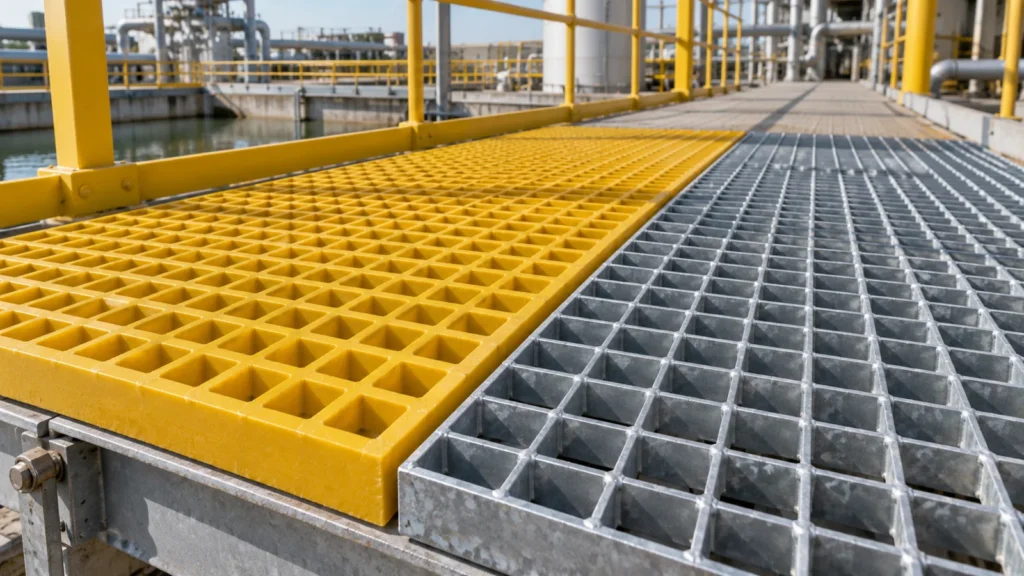
Choose fiberglass (FRP) over steel or aluminum when corrosion, weight or electrical conductivity is the problem, and keep metal when stiffness at a small section depth is the problem. FRP is lighter than both metals,1 but its modulus is lower, so it deflects more under the same load.
The table and notes below show the trade-off in numbers where the sources allow it, and say plainly where they do not.
Side-by-Side Comparison
| Fiberglass (FRP) | Steel | Aluminum | |
|---|---|---|---|
| Corrosion | Does not rust or rot | Rusts; relies on coatings that can be damaged | Resists general rust but needs checking in chemical service |
| Weight | Lighter than steel and aluminum1 | Heaviest of the three | Lighter than steel, heavier than FRP |
| Modulus of elasticity | At least 23 GPa for an EN 13706 E23 profile3 | About 200 GPa2 | About 70 GPa2 |
| Electrical conductivity | Non-conductive | Conductive | Conductive |
| Maintenance | No repainting for corrosion | Repainting and recoating | Low in mild air, varies in chemical service |
| Fire and temperature | Depends on resin and tested product | Non-combustible, but strength drops when hot | Non-combustible, but strength drops when hot |
Steel and aluminum moduli are from the MIT OpenCourseWare mechanics notes; the FRP figure is the minimum longitudinal tensile modulus of the E23 class in EN 13706, quoted by F1 Composite. Real products can exceed that minimum, so ask for the tested value of the product you will buy.
The Stiffness Trade-Off
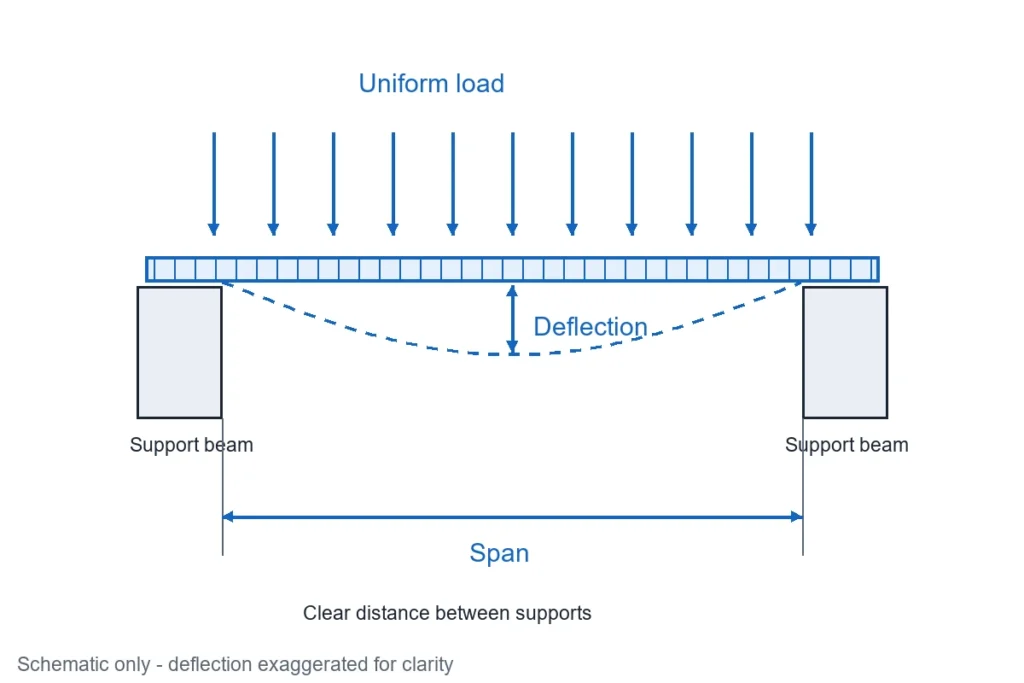
For the same section and load, deflection is inversely proportional to the modulus. Using the figures above, a profile at the E23 minimum deflects about 8.7 times as much as steel and about 3 times as much as aluminum.
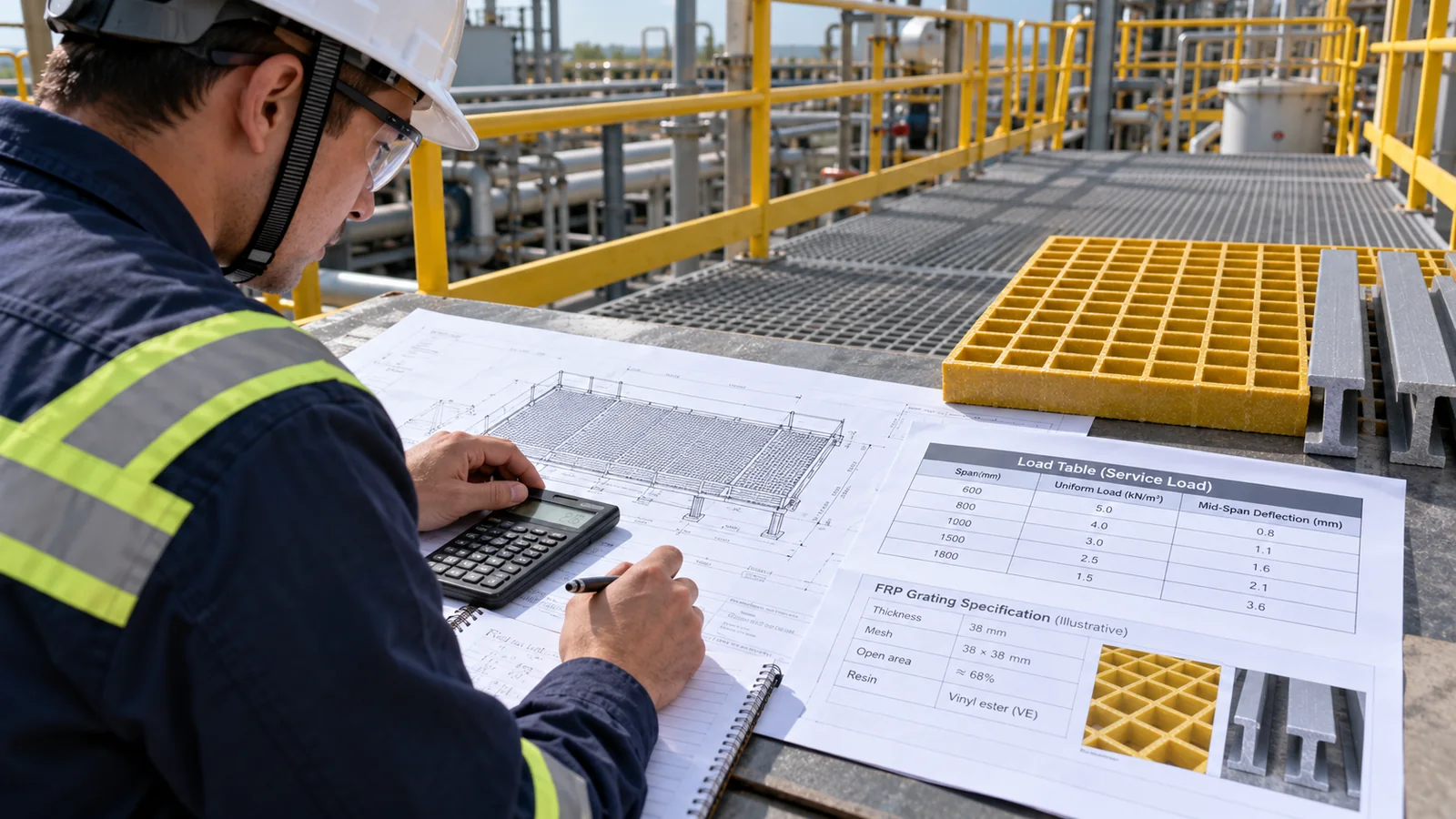
Designers close the gap by using a deeper section, a shorter span or more supports. Deflection often governs FRP design before strength does, so the span and load calculator and Machs engineering support check it before you order.
Where Fiberglass Wins
- Corrosive areasChemical plants, wastewater, coastal and marine sites, where steel coatings fail and the repair cost grows.4
- Electrical safetyPlatforms and ladders near live equipment.
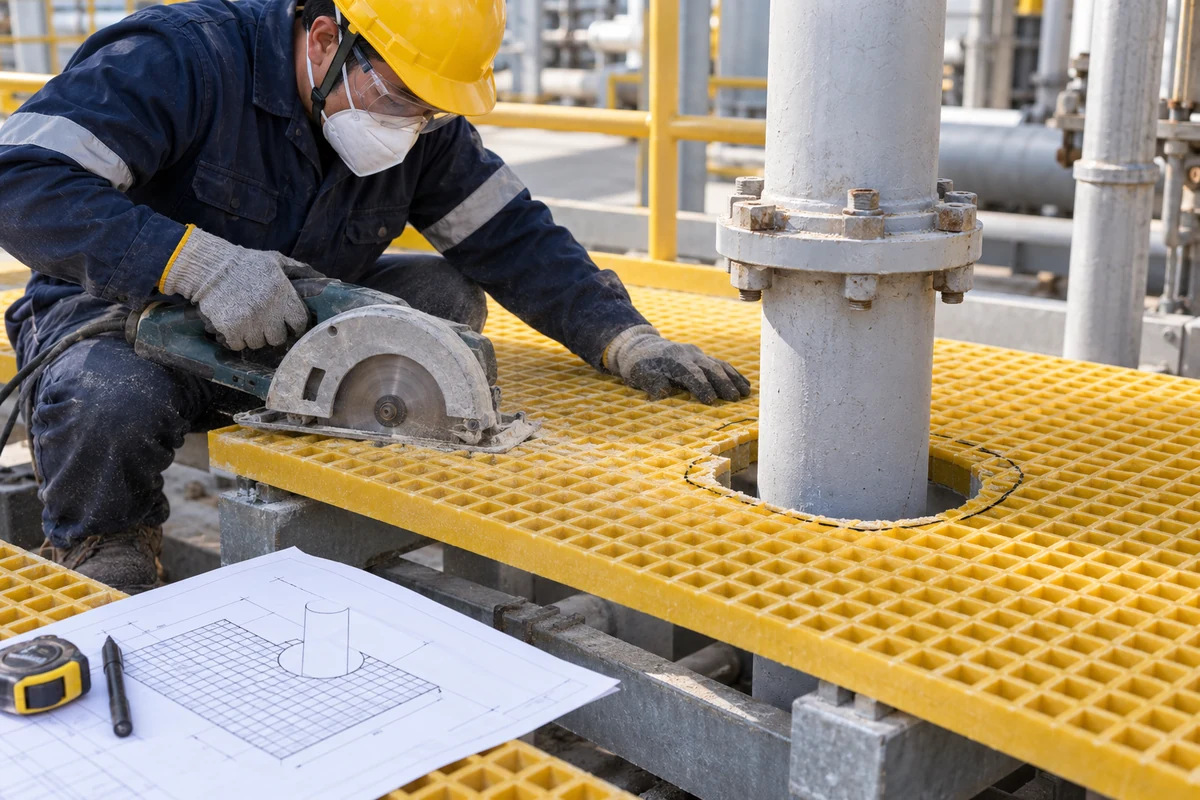
- Handling and installationLight members need smaller equipment and fewer people.4
- Lifetime costF1 Composite advises comparing the designed member and the installed cost, not the material price per kilogram.3
Start from the product that matches your site:
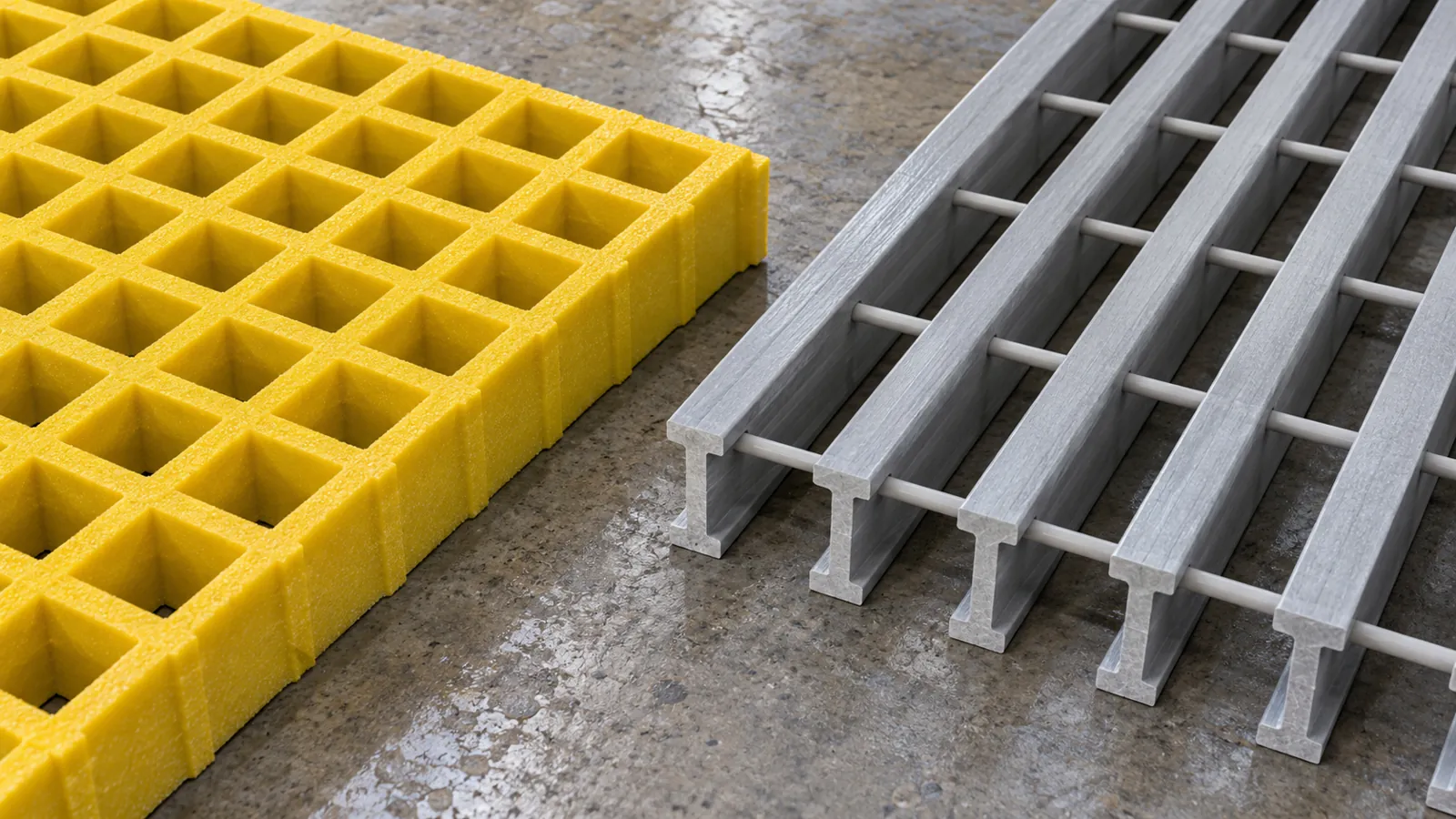
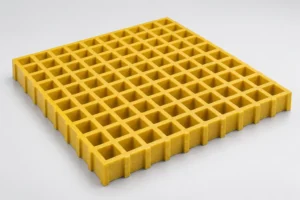
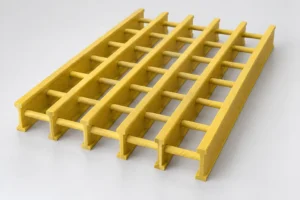
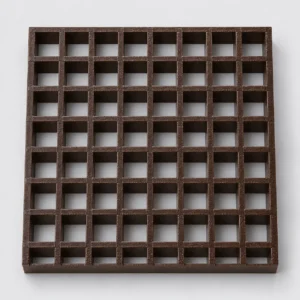
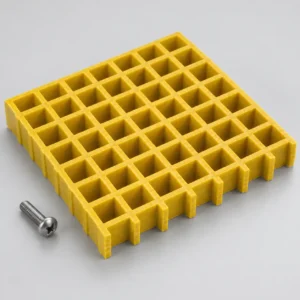
- Fiberglass GratingFloors, platforms and trench covers
- FRP Handrail SystemsGuarding for walkways and platforms
- Platforms and WalkwaysAccess structures for corrosive sites
Where Metal Still Wins
- Slender, long spansWhere section depth is limited and stiffness decides.
- High operating temperatureWhere the resin sets the limit for FRP.
- Fire-critical elementsThat must keep their load capacity in a fire, unless the FRP system has a test report for that exact fire (see fire and slip performance).
- Dry, indoor, low-risk locationsWhere corrosion is not a concern and the cheapest member is enough.
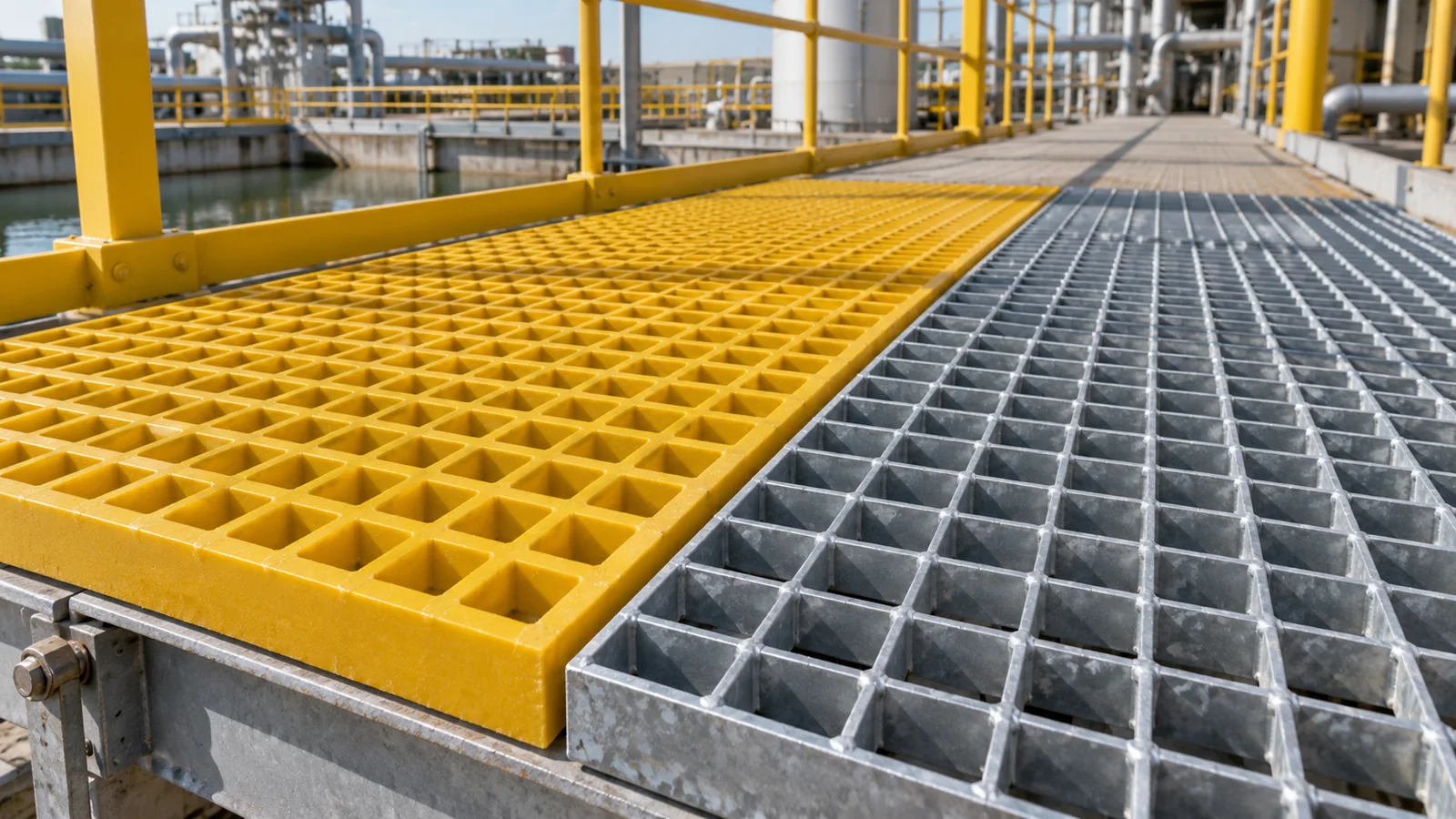
Many projects mix the two: FRP where the environment is aggressive and metal where stiffness is critical.
What About Timber?
FRP is not affected by moisture or immersion, while wood rots over time. Pressure-treated wood is an alternative, but FRP does not leach chemicals into soil or water on direct contact.4
Questions Before You Switch
Can I replace a steel member with the same size in FRP?
Not directly. Check deflection first, because the same section will sag more.
Is FRP weaker than aluminum?
It is less stiff, which is not the same as weaker. Compare the designed members for your span and load.
Does Machs help with the conversion?
Yes. Send the steel drawing and loads, and Machs will propose an FRP layout.