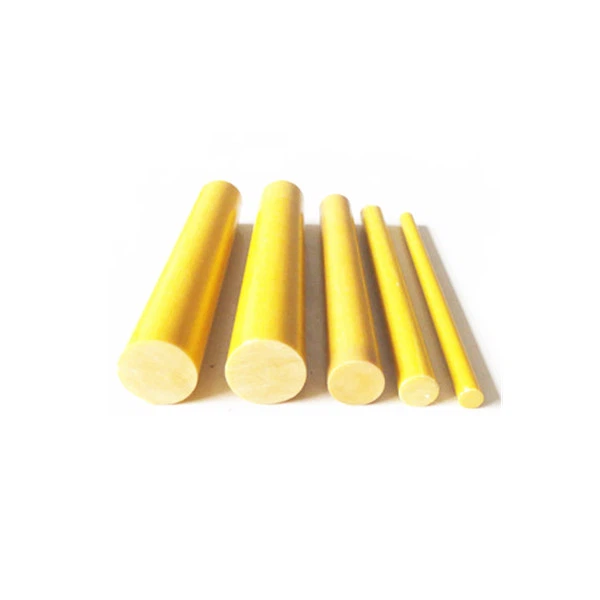
E-glass01Fiberglass Round Rod
Solid pultruded rod for guides, spacers, supports and stakes.
- Ø6–50 mm
- Cut to size

Made in our own plantGrating, profiles and structures from one factoryView all productsGuides
Start hereWhy Choose Fiberglass (FRP)?Read the overviewEngineering Tools
Learn & Download
Free toolCheck load and deflection before you orderOpen the calculatorWe mould grating, pultrude profiles and assemble FRP structures in our own plant, and confirm size, resin and load against your drawing before we quote.
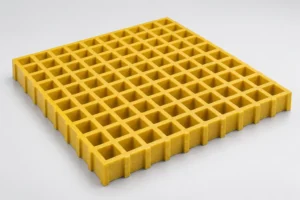
Machs fiberglass round rods (FRP round rods) are solid pultruded rods that replace steel, aluminum or wood where a part must resist corrosion, stay non-conductive or carry load at low weight. They are used as guides, spacers, supports and parts of fabricated assemblies. As a fiberglass round rod manufacturer, Machs supplies rods with E-glass reinforcement as standard, or with carbon or aramid where extra stiffness is needed.
Years pultruding FRP
in our own plant
Standard diametersØ6–50 mmProduct Range
E-glass01Solid pultruded rod for guides, spacers, supports and stakes.
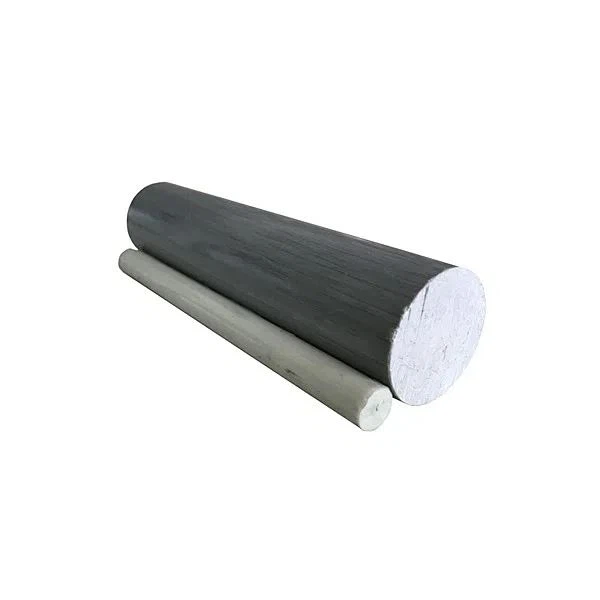
Insulating02Non-conductive solid rod for insulator cores and electrical assemblies.
Send the mating-part drawing and Machs will match the rod to it.
Why Round Rods
A fiberglass rod keeps its strength in conditions that corrode metal, and it does not conduct electricity.
Suited to wet, coastal and many chemical environments with the right resin.
Non-conductive and non-magnetic: useful in electrical and instrument assemblies.
A fraction of the weight of steel, so parts are easier to handle and ship.
Within its elastic range, a rod bends and springs back, which suits stakes and flexible parts.
Typical uses include insulator cores, guide rods, plant and fence stakes, tool handles and spacers. Rods are made under an ISO 9001:2015 quality system and checked in Machs' own lab for flexural and tensile strength.
Other diameters on request.
To ASTM D3917 tolerances for pultruded shapes.
Selection Guide
Three things decide the right rod: how it fits the mating part, the load it carries, and the conditions it works in.
Use a round rod where a part needs a consistent, orientation-free round outline: guides, spacers, and supported lengths in fabricated assemblies. Choose the diameter from the interface first, then verify load and environmental requirements.
A nominal diameter is only the starting point. When a rod passes through a sleeve or sits in a drilled part, also specify diameter tolerance, straightness, cut length, and end condition. Confirm mating clearance before releasing the order.
Agree how straightness is measured before inspection, because a long rod behaves differently when free, supported or clamped. Fix the measurement length, support arrangement and diameter check points, and use the same conditions for sample approval and batch acceptance.
Load direction matters because the reinforcement runs lengthwise. A rod chosen for axial load is not automatically suitable as a cross pin, a repeatedly bent part or a threaded connection, so define the actual load case and request matching material data.
Only after checking the pin duty itself: transverse shear, bearing at contact points, wear, and connection geometry. Show on a drawing how the rod is supported and retained. A matching diameter does not mean equal performance.
Diameter alone does not define how a flexible rod behaves. Provide unsupported length, loading position, required movement, and number or pattern of load cycles. If the rod moves in service rather than acting as a fixed spacer, ask for evidence relevant to repeated flexing.
For outdoor or wet service, state sunlight exposure, working temperature, and contact media. For electrical insulation, verify the finished part under its service conditions; a material name is not an electrical rating.
Define end details on the drawing: end squareness, chamfers, and any required sealing. Follow the material’s instructions for cutting and machining. If the rod fits into a socket, test the fit on an approved sample before ordering a larger quantity.
Made to Order
Send the mating-part drawing and Machs will match the rod to it: diameter and tolerance, cut length, chamfered or machined ends, and the reinforcement that gives the stiffness you need.
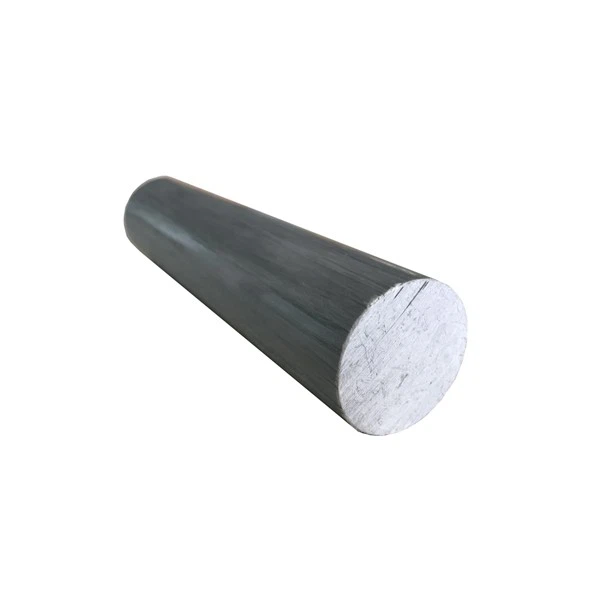
01Diameter and toleranceDiameter and tolerance are taken from your mating-part drawing.
Cut to length, with chamfered or machined ends.
E-glass as standard, or S-glass, carbon or aramid for extra stiffness.
A new die is made when no standard diameter fits, and the acceptance standard is agreed before production so repeat batches stay consistent.
Get a Quote
Send Machs your rod diameter, length, tolerances, quantity and application drawing to start a product enquiry. Machs supplies rods wholesale and custom-made to order.
Helpful to Include
FactoryNo. 28, Longyou Road, Wuyao Town, Rugao City, Jiangsu, China
Tell us about your rod and where it will be used. Fields marked * are required.
Accepted files: PDF, DWG, DXF, STEP, JPG, PNG, up to 10 MB each, max 3 files.
Please fill in the information, and we will send the file to your email