
 Structural01
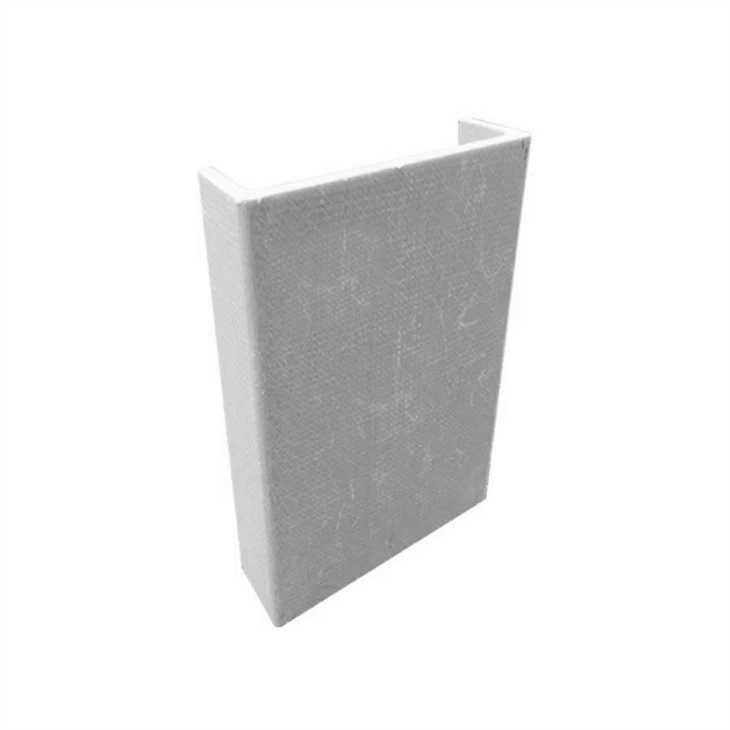
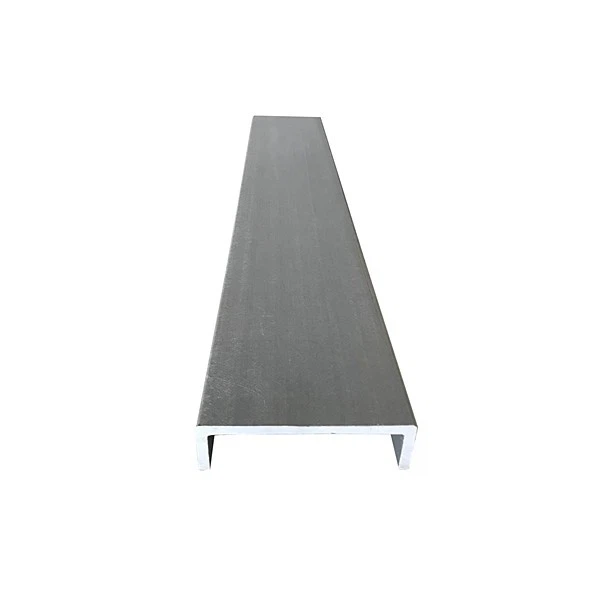
Fiberglass C Channel
Pultruded C-section for stringers, framing and ladder rails.
- 38–360 mm
- Cut to Size

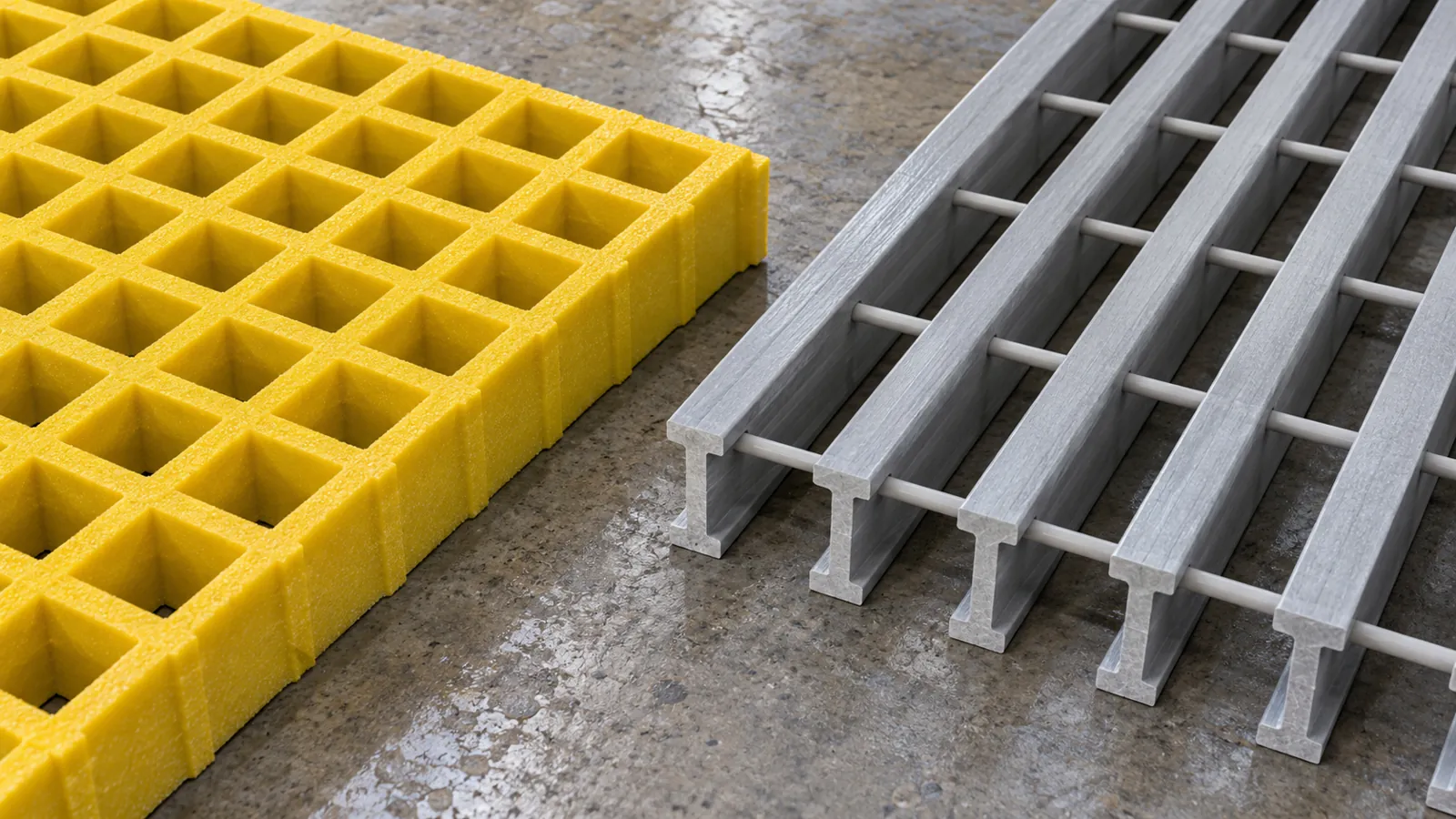 Made in our own plantGrating, profiles and structures from one factoryView all products
Guides
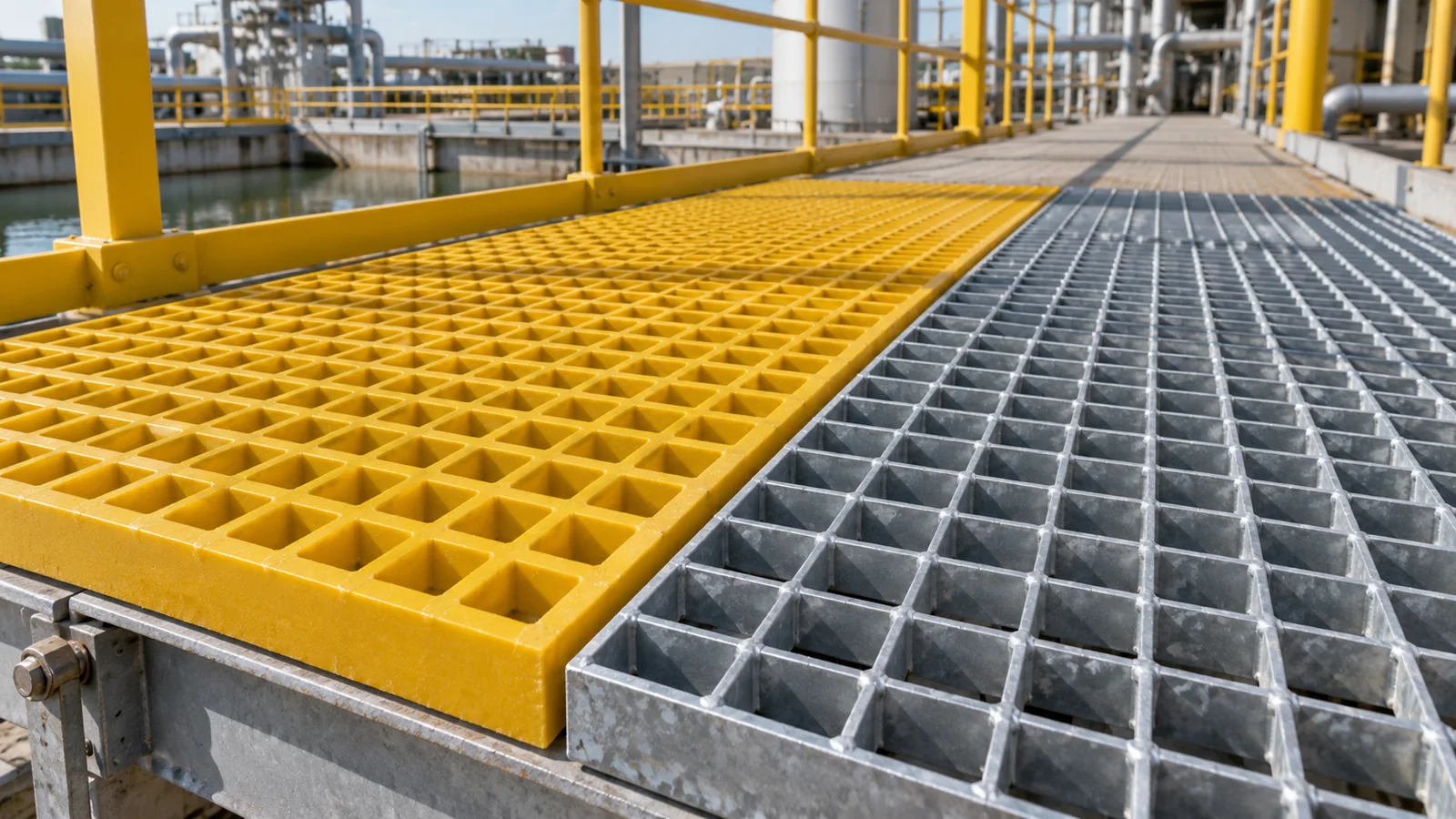 Start hereWhy Choose Fiberglass (FRP)?Read the overview
Engineering Tools
Learn & Download
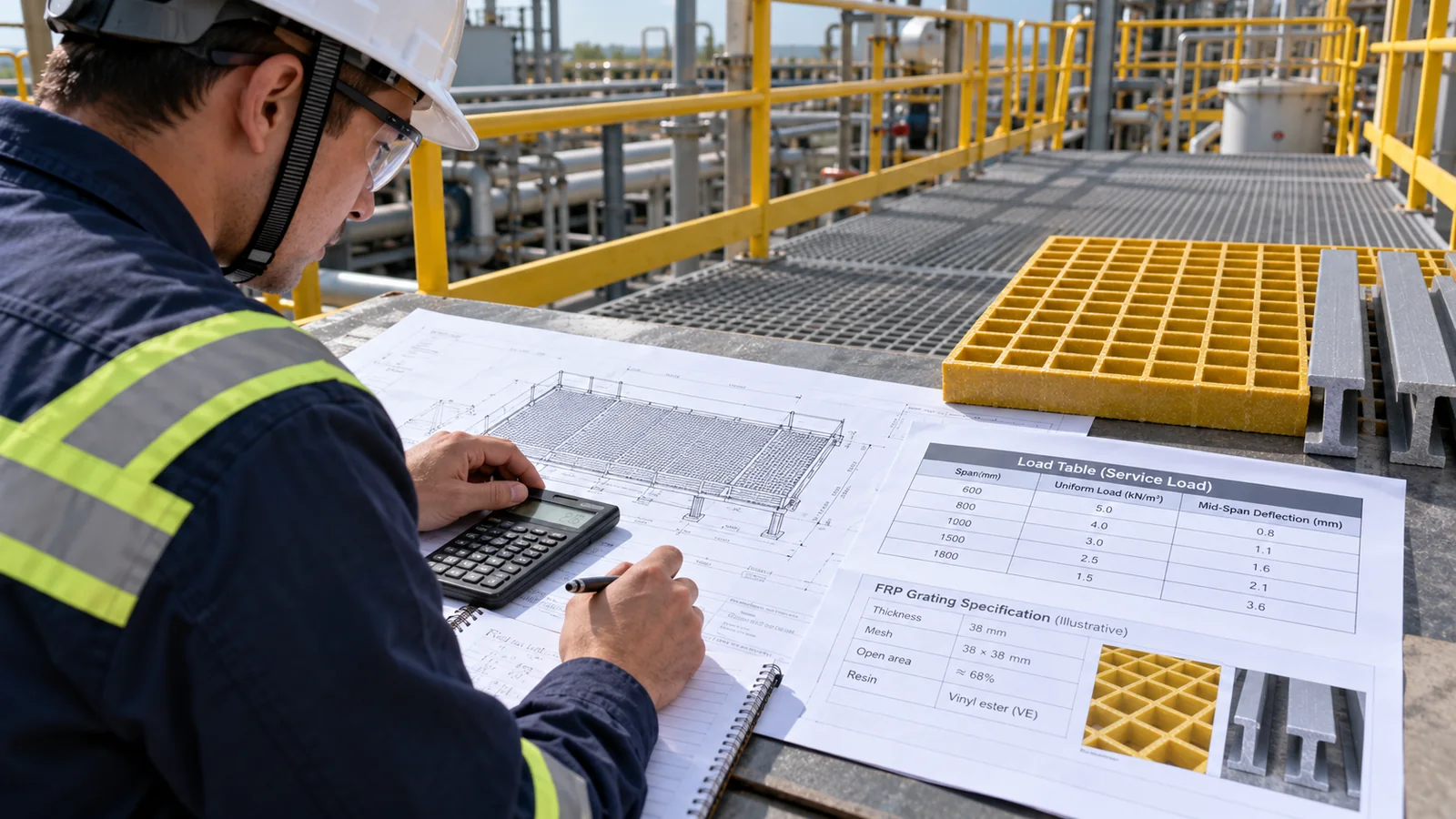 Free toolCheck load and deflection before you orderOpen the calculator
We mould grating, pultrude profiles and assemble FRP structures in our own plant, and confirm size, resin and load against your drawing before we quote.
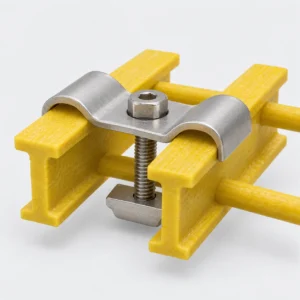

Machs fiberglass channels (FRP C channels) are pultruded C-sections for stringers, framing, ladder rails and cable tray, where the open side makes bolting and inspection easy. Channels from Machs, a fiberglass channel manufacturer, can be drilled and slotted through the web or flanges before they leave the factory.
Years pultruding FRP
in our own plant
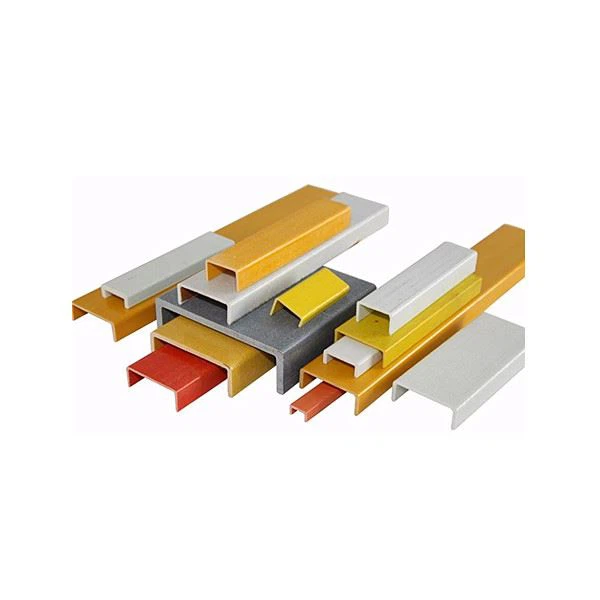 Section Depth38–360 mm
Product Range
Structural01Pultruded C-section for stringers, framing and ladder rails.
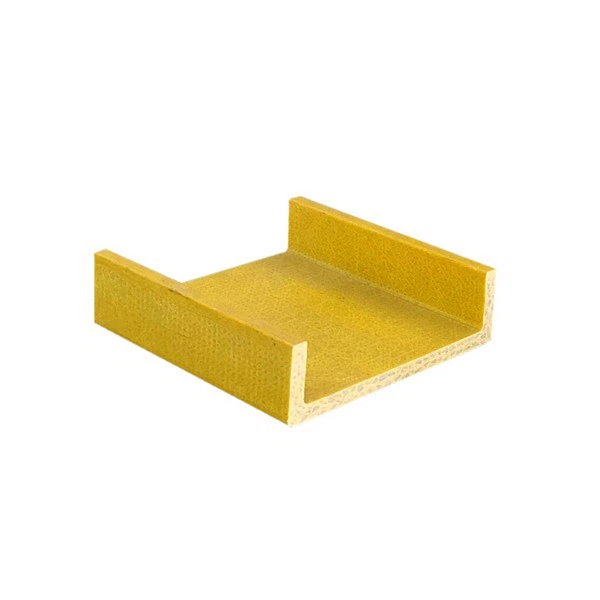 Open Section02
Open-sided channel for cable tray and equipment rails.
Custom depth, flange width and internal clearance.
Selection Guide
Three things decide the right channel: whether the open side earns its place, whether the full section fits, and how the channel is supported.
Choose a channel when the open side is actually used. It makes bolts and fittings accessible and gives a frame a defined edge, but that benefit only holds if the finished assembly keeps room for tools and inspection. Weigh it against bracing space and how the member is restrained.
Show which face carries the load and where fasteners are reached. The web and flanges offer different mounting faces, so coordinate tool clearance with adjacent panels and members.
An open channel can twist under eccentric load, so do not select it from bending depth alone. Depending on the design, the fix may be additional bracing, a paired arrangement or revised connection geometry.
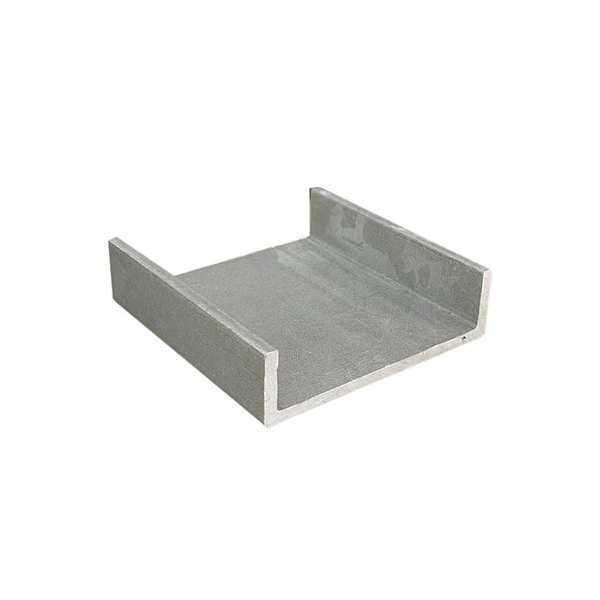
Specify the full section, not just a nominal size:
Inspect the dimensions the interface actually uses, not only overall depth:
Check local bearing at supports and concentrated loads near holes or cut ends. For horizontal open sections, plan for drainage and debris accumulation as part of installation.
Two channels side by side do not automatically act as one larger member. Define the spacing, connectors and load transfer, and let the design establish how they work together.
Made to Order
Machs makes custom fiberglass channels when a standard section does not give the depth, flange width or internal clearance you need. Webs and flanges can be drilled and slotted to drawing, and paired channels are cut to the same length in one production batch.
 01Section
A custom section when a standard one does not give the depth, flange width or internal clearance you need.
Webs and flanges can be drilled and slotted to drawing.
Paired channels are cut to the same length in one production batch.