

Fiberglass grating (FRP grating) is widely used for platforms, walkways, and trench covers. During installation, cutting is often required. While it may look like a job only professionals can handle, with the right tools and methods, most people can do it successfully. This guide will walk you through the essential steps to cut fiberglass grating safely and effectively.
Tools and Preparation
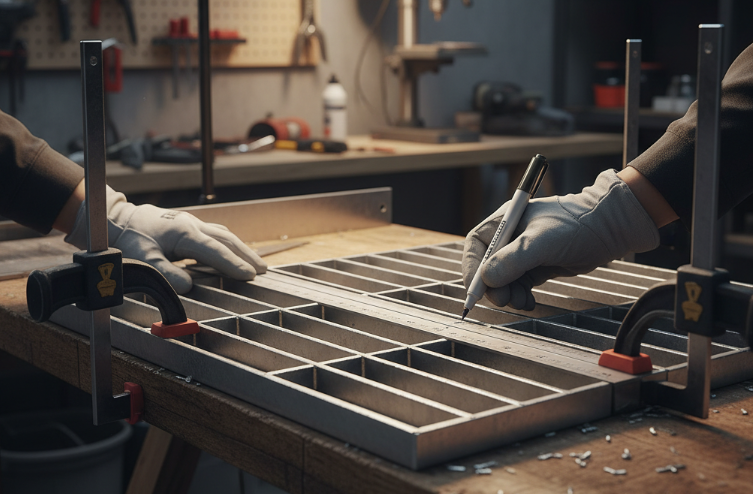
Start by measuring carefully and marking the cutting lines on the grating surface. Place the panel on a stable workbench and secure it with clamps to prevent movement.
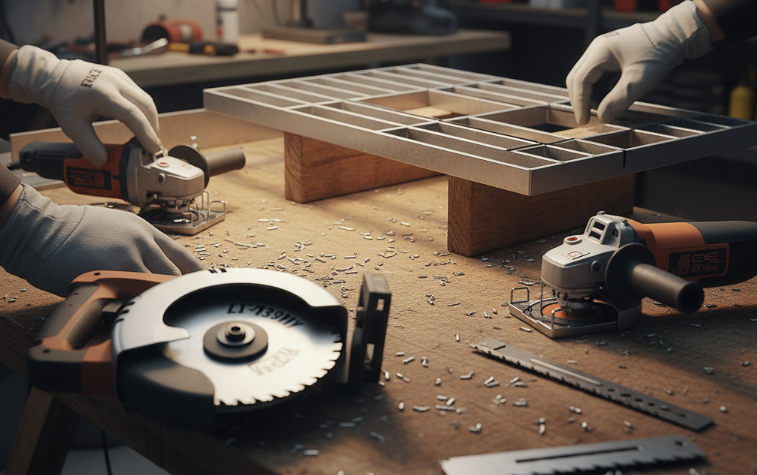
The choice of tool will affect the quality of the cut. A circular saw with a diamond or carbide-tipped blade is the most common option and works best for straight cuts. An angle grinder is more flexible for trimming or small adjustments. For cut-outs or special shapes, a jigsaw is a practical choice. With the right blade, even basic power tools can complete the job.
Safety First
Cutting fiberglass produces fine dust and sharp fragments that can irritate your eyes, skin, and lungs. Always keep these safety measures in mind:
Wear safety goggles to protect your eyes from flying debris.
Use a dust mask or respirator to avoid inhaling fiberglass dust.
Put on gloves and long sleeves to protect your skin from irritation.
Work in a well-ventilated area or use dust collection equipment when cutting indoors.
Cutting Process
When cutting, follow the marked line and move the saw steadily. Don’t rush or apply excessive pressure—let the blade do the work.
👉 Watch this demonstration video:
From 0:32 seconds onward, the video shows how to guide a circular saw smoothly along the marked line. Notice how the operator maintains a steady speed and keeps the blade aligned—this is key to achieving a clean, accurate cut.
After the cut is complete, inspect the edge and smooth it with a grinder or file to remove burrs and avoid sharp edges. Exposed fiberglass edges can absorb moisture or suffer chemical attack over time. To protect them, seal the cut edges with epoxy resin or a specialized edge sealer.
Finishing and Maintenance
After cutting, clean up the dust and debris right away. Collect and dispose of off-cuts properly, or keep them for future use. Once installed, check the cut edges periodically. If you notice cracks or damaged sealing, apply a fresh coat of epoxy or sealer to maintain protection.
Conclusion
Cutting fiberglass grating is not complicated, but it requires proper preparation, safety precautions, and a steady approach. With the right tools, clear instructions, and even a quick video reference, you can achieve clean, accurate cuts that make installation easier and extend the lifespan of your grating system.