

We see fences everywhere: at power sites, railways, ports, parks, and airports. GRP (Glass-Reinforced Plastic) fencing looks simple. But it solves real problems. It helps with electrical safety. It resists corrosion. It cuts maintenance. It also fits well into city design. This guide explains what GRP fencing is, where it is used, how it helps, and some facts people often miss.
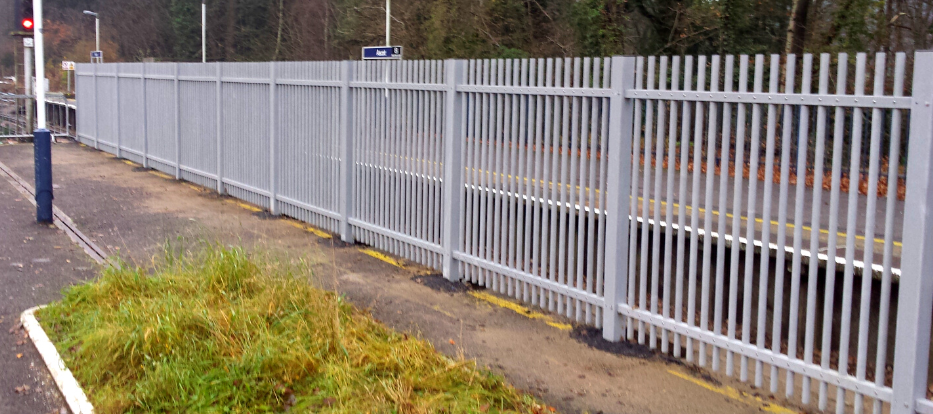
What is GRP fencing?
GRP fencing is a composite fence. It uses glass fibers and a resin. Parts are made by molding or pultrusion. The fence is light, strong, non-conductive, UV-stable, and corrosion-resistant. It works well outdoors for many years. Some systems are frangible. They can break safely on impact at airfields.
Why choose GRP over metal or wood?
Safer near electricity. GRP does not conduct.
Lasts in harsh weather. It will not rust or rot.
Low upkeep. No painting is needed. Colors fade less.
Easy to install. It is light and quick to handle.
Looks better for longer. Many colors and finishes are available.
Where you will find GRP fencing (and why)
1) Utilities and substations
It protects the site and splits work zones. It is safe near high voltage and stands up to moisture and chemicals. It needs little care.
2) Rail and trackside
It marks the boundary and keeps people safe. It is non-conductive near live rails. It is light, so crews install it faster. It also has low scrap value, so theft is rare.
3) Airports and airfields
It sits around beacons and other gear. It can be frangible to meet airfield rules. It is radio-friendly, so it does not block signals.
4) Coastal and marine sites
It is used at ports, docks, and sea walls. Salt and humidity do not harm it like they do steel. Crews repaint less and save time.
5) Industrial and chemical plants
It creates safe zones around tanks and basins. It resists many chemicals and cleans easily. Colors can mark risks and routes.
6) Public spaces and landscaping
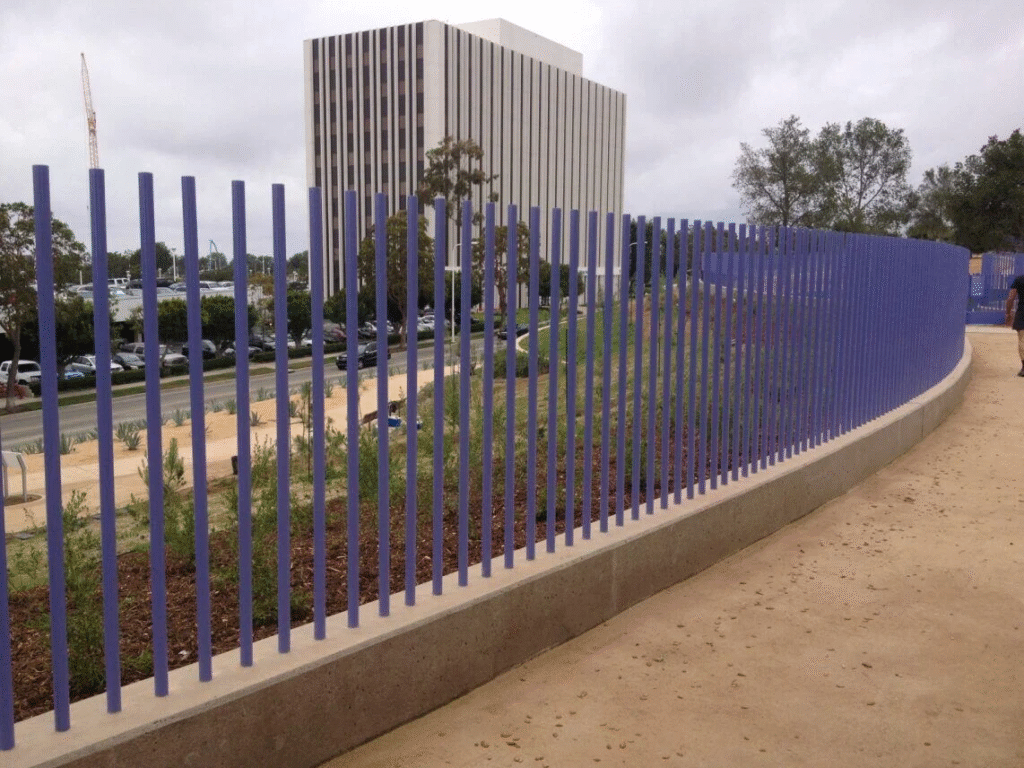
It fits schools, parks, campuses, and malls. Colors stay bright. It needs little care. It stays cooler to the touch than metal in the sun.
How GRP fencing helps daily life
Safer places. Non-conductive and frangible options reduce risk.
Lower costs. Less rust repair and repainting saves money.
More reliable services. Strong fences protect key assets.
Better looks. Color-through parts keep a clean look for years.
Lesser-known facts
Radio-transparent. It does not reflect or block RF signals.
Frangible options. Airfields can use break-away designs.
Less theft. It has little scrap value.
Cooler surfaces. Lower heat transfer means safer touch in hot weather.
Color-through. Scratches are less visible.
Conclusion
GRP fencing works quietly in the background. It keeps people safe. It protects vital sites. It lowers upkeep over time. Thanks to its non-conductive, corrosion-resistant, and low-maintenance nature, it is a smart choice for utilities, airports, coasts, industry, and public spaces.